• About
  • Services
    • Commercial Landscape Maintenance
    • Commercial Landscape Design
    • Commercial Landscape Construction
    • Irrigation Services
    • Snow Removal Services
  • Reviews
  • Careers
  • Blog
  • Contact
  • About
  • Services
  • Projects
  • People
  • Reviews
  • Careers
  • Blog
  • Contact

Landscape Maintenance

Our services are designed to keep your commercial properties looking professional year-round, enhancing curb appeal and property value.

Request Service

"*" indicates required fields

Choose Service(s)*
Service type
What is the preferred time to call you?

Your Information

Name*
Home / Service / Commercial Landscape Maintenance

Commercial Landscape Maintenance Service

Managing commercial landscapes in our area presents unique circumstances that property owners across the country don’t face. The Seattle Metroplex sits in a temperate maritime climate where mild, wet winters transition into warm, relatively dry summers—and this cycle creates both tremendous opportunity and distinct challenges for maintaining outdoor spaces.

The good news: Snohomish, King, and Pierce Counties have a climate that supports lush, vibrant growth nearly year-round.

The challenge: that same growth doesn’t pause, and neither can your maintenance strategy.

Unlike regions with hard freezes that provide a natural “reset” each winter, commercial properties from Woodinville to SeaTac experience continuous biological activity. Turf continues to grow through much of the cooler months. Moss and fungi find ideal conditions in our damp shoulders of the year. Invasive species like English Ivy, Himalayan Blackberry, and Creeping Buttercup don’t wait for an invitation—they exploit any lapse in attention.

This means commercial landscape maintenance in our region isn’t seasonal work with an off-switch. It’s an ongoing relationship between a property and a professional.

Seattle area lawns face different stressors than properties in drier or colder climates. Compaction from our wet soils, moss colonization during extended cloudy periods, and fungal diseases like Red Thread and Fusarium Patch require vigilant observation. Regular mowing at appropriate heights—adjusted for seasonal conditions—keeps grass healthy and dense enough to crowd out weeds naturally. Aeration and overseeding address the compaction issues our clay-heavy soils tend to develop.

The Puget Sound region supports an incredible diversity of plant material, from native Sword Ferns and Salal to ornamental grasses and flowering shrubs. Each has specific pruning requirements and timing. Rhododendrons, so iconic to our area, need deadheading and selective pruning after blooming. Ornamental grasses should be cut back in late winter before new growth emerges. Timing matters—improper pruning not only affects appearance but can stress plants and invite disease.

Integrated Pest Management (IPM) represents a thoughtful, environmentally conscious approach particularly well-suited to ecologically aware communities. Rather than blanket chemical applications, IPM focuses on monitoring, identification, and targeted intervention. This means understanding the difference between a beneficial insect and a harmful one, recognizing early signs of Aphid infestation or Root Weevil damage, and responding proportionally. For commercial properties concerned about environmental stewardship—and many in our region are—this approach aligns landscape care with broader values.

Our region’s moisture and mild temperatures create ideal conditions for aggressive weed growth. A proactive bed maintenance program addresses weeds before they establish deep root systems, replenishes mulch to suppress new germination, and maintains clean edges that define the intentional design of your landscape. Neglected beds don’t just look unkempt—they become reservoirs for weed seeds that spread across the entire property.

For commercial properties, the landscape is the first point of contact. Before anyone walks through your doors, they’ve already formed an impression based on what they see outside.

A well-maintained landscape communicates attention to detail, professionalism, and care. A neglected one raises questions about what else might be overlooked.

Perhaps the most important insight about commercial landscape maintenance is this: consistency prevents costly interventions. Regular, scheduled care keeps minor issues from becoming expensive problems. A weed pulled today doesn’t become an infestation requiring herbicide next month. A drainage issue noted during routine service doesn’t become a flooded parking lot after the next atmospheric river.

Properties that invest in ongoing professional landscape maintenance typically spend less over time than those that react to problems as they arise. The landscape stays healthier, plant material lasts longer, and the property maintains its value and appeal year after year.

Commercial landscape maintenance is both an art and a science—one that rewards expertise, consistency, and genuine understanding of what makes this region unique.
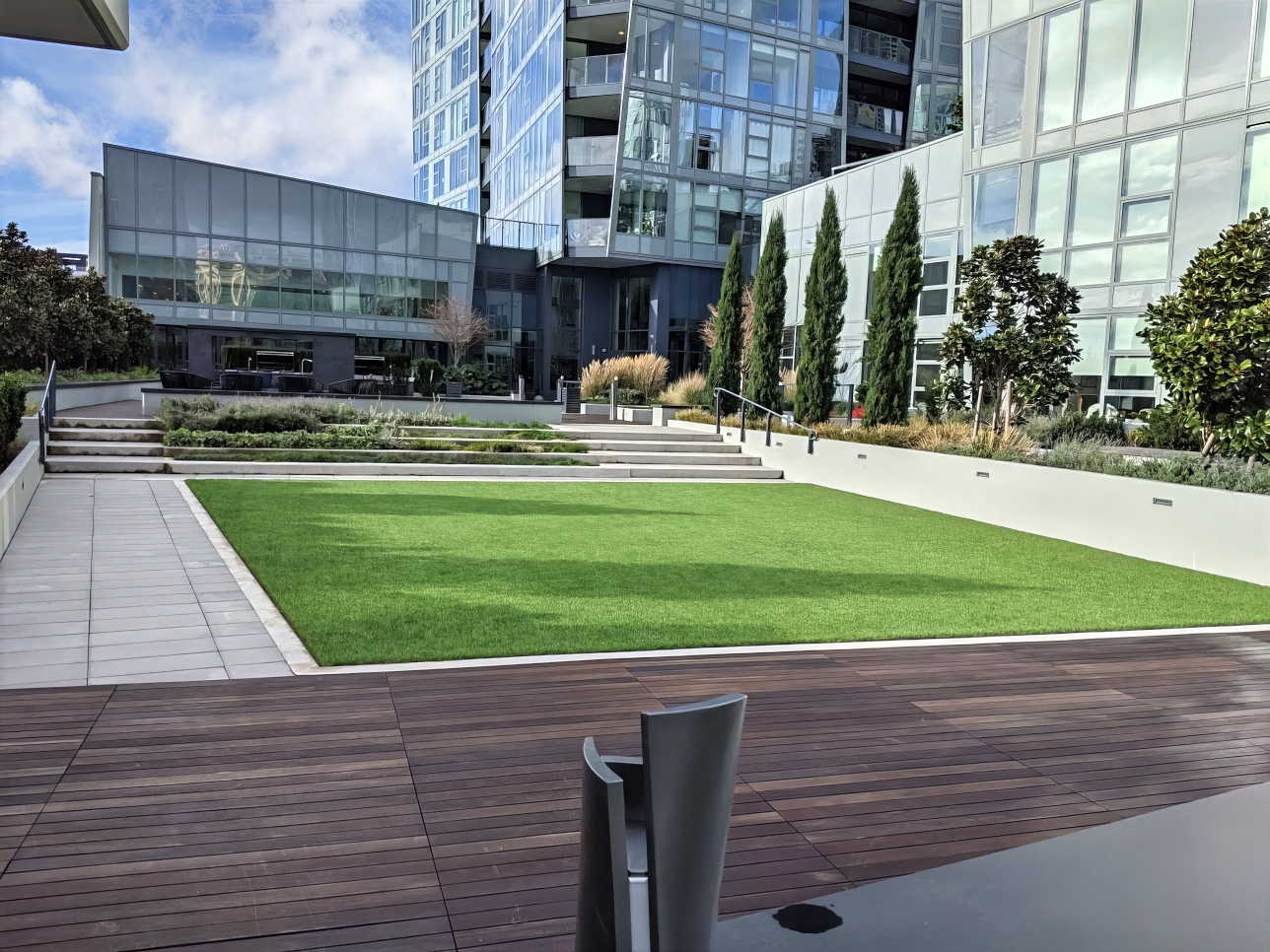
  • Precision mowing & turf care – Regular cutting at optimal heights tailored to turf type, seasonal conditions, and our extended growing season
  • Line trimming & edging – Clean, defined edges along walkways, curbs, beds, and hardscapes for a polished, professional appearance
  • Customized fertilization programs – Nutrient applications calibrated to soil conditions and seasonal demands of Pacific Northwest landscapes
  • Turf renovations & restoration – Aeration, overseeding, and targeted repairs to rejuvenate high-traffic areas and address compaction common in our clay-heavy soils
  • Comprehensive bed care – Weeding, cultivation, mulch replenishment, and plant health monitoring to keep beds looking intentional and vibrant
  • Expert plant & shrub pruning – Properly timed trimming for health, shape, and flowering performance—respecting each species’ unique requirements
  • Integrated Pest Management (IPM) – Environmentally responsible pest and disease control through monitoring, identification, and targeted intervention
  • Debris removal & property cleanups – Scheduled removal of leaves, branches, and organic matter to maintain a professional appearance and prevent drainage issues
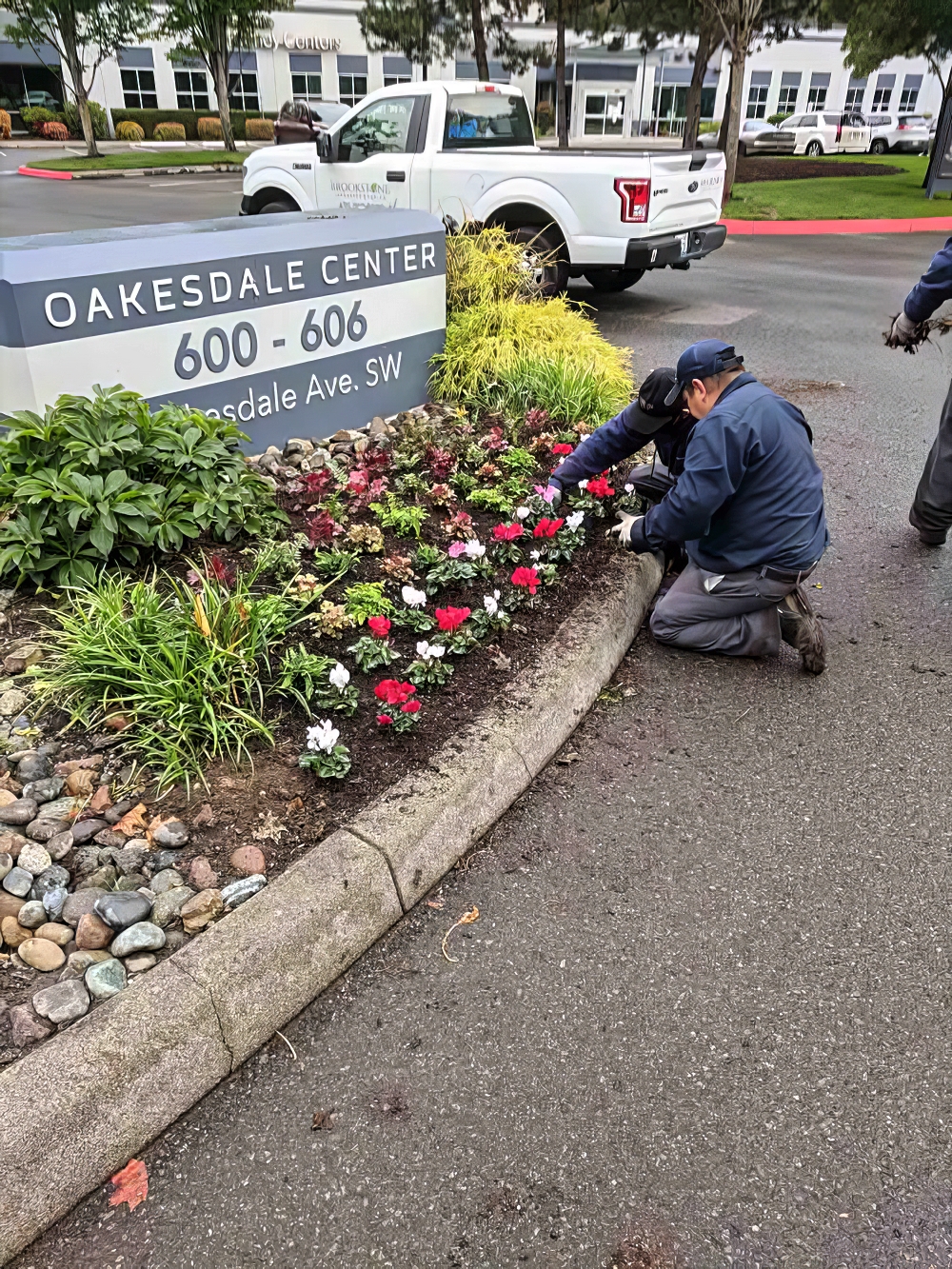
  • Seasonal color rotations – Design and installation of annual plantings at entries and focal points for year-round visual impact
  • Storm response & recovery – Priority cleanup and landscape restoration following Pacific Northwest wind and rain events
  • Irrigation system management – Seasonal startups, shutdowns, inspections, adjustments, and repairs to optimize water efficiency and prevent costly damage
  • Moss control & prevention – Targeted treatments for turf and hardscapes to address one of the Pacific Northwest’s most persistent challenges
  • Pre-emergent weed applications – Proactive treatments in beds, turf, and hardscape areas to suppress weeds before they establish
  • Drainage monitoring & solutions – Identification and correction of standing water issues that threaten plant health and property infrastructure
  • Invasive species management – Identification and removal of aggressive non-native plants like English Ivy, Himalayan Blackberry, and Bindweed
  • Hardscape maintenance – Pressure washing of walkways, patios, and common areas to remove algae, moss, and organic buildup
  • Landscape lighting inspections – Bulb replacement, fixture adjustments, and timer programming to maintain safety and curb appeal after dark
  • Snow & ice response – Priority service for walkways and entryways during our occasional winter weather events
  • Property Enhancement Reports – Regular assessments with documented recommendations for improvements, replacements, and preventive care
  • Dedicated Account Management – Consistent communication, site walkthroughs, and responsive service coordination for property managers and ownership groups

CARE AND NURTURING

A beautifully maintained commercial landscape doesn’t happen by accident—it’s the result of consistent care, expert attention, and a genuine understanding of what plants and turf need to thrive in our unique climate.

\When your landscape receives proper nurturing throughout the year, it rewards you with lasting health, vibrant appearance, and a first impression that speaks volumes before anyone walks through your doors.

Landscape Maintenance - Treasure Valley Landscape, Idaho
Landscape Maintenance - Treasure Valley Landscape - Idaho

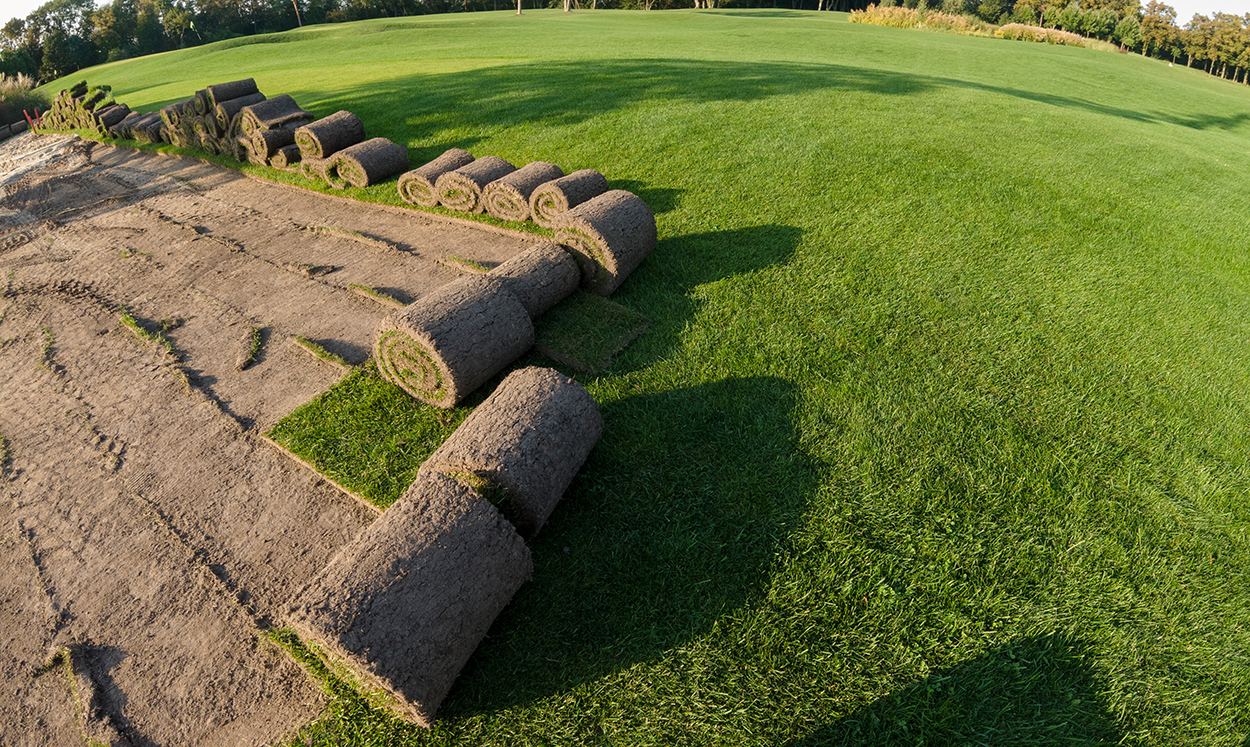
Turf renovations

Over time, even well-maintained turf shows signs of wear—thin patches, compaction from foot traffic, and stress from our wet winters take their toll.

Turf renovations through core aeration, overseeding, and targeted repairs restore density and vigor, transforming tired lawns into thick, resilient groundcover that stands up to the demands of commercial use.

mowing

Proper mowing is about far more than keeping grass short—it’s a precise practice that promotes root development, discourages weed growth, and maintains the thick, healthy turf that defines a well-managed property.

In our extended growing season, consistent cutting at the right height and frequency keeps commercial lawns looking sharp while building the resilience to handle foot traffic and seasonal stress.

Landscape Maintenance - Treasure Valley Landscape, Idaho

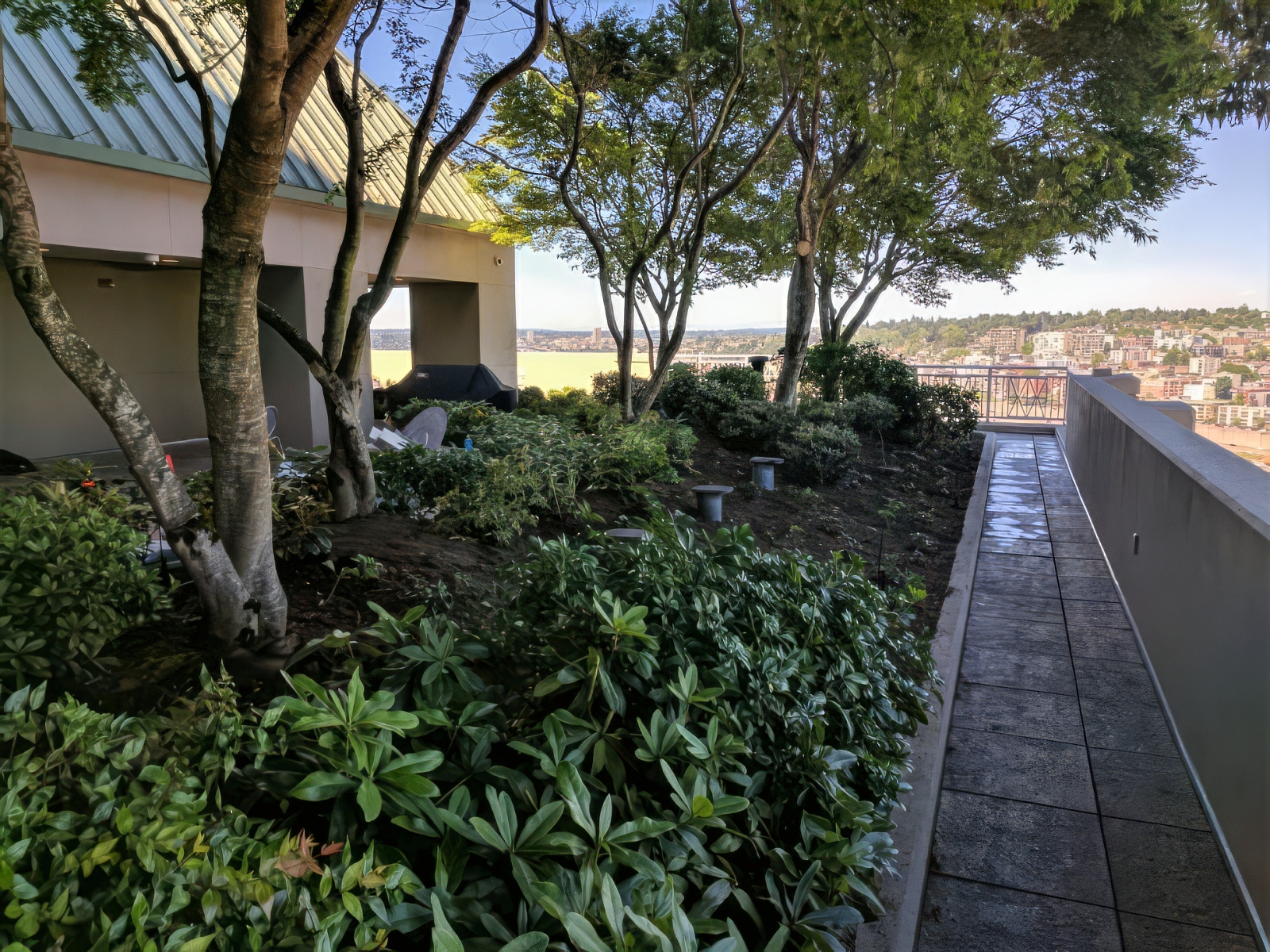
proper pruning

Skilled pruning does more than shape a plant—it encourages healthy growth, improves air circulation, and enhances flowering while preventing the overgrown, neglected look that undermines a property’s image.

Each species has its own timing and technique, and knowing when and how to prune Rhododendrons, ornamental grasses, and flowering shrubs makes the difference between plants that struggle and landscapes that flourish.

Most Popular Questions

How often should commercial properties in the Seattle area receive landscape maintenance?

Most commercial properties in our area benefit from weekly service during the primary growing season (March through October) and bi-weekly or monthly visits during the slower winter months. However, the right frequency depends on several factors: property size, visibility, tenant expectations, and landscape complexity.

High-profile properties like medical facilities, corporate headquarters, and hospitality venues often require year-round weekly attention to maintain the polished appearance their visitors expect.

The Pacific Northwest’s mild climate means landscapes remain biologically active through winter—moss develops, debris accumulates, and storm damage occurs—so even reduced winter schedules should never mean complete neglect.

What’s the difference between commercial and residential landscape maintenance?

Commercial landscape maintenance operates at a fundamentally different scale and standard than residential care. Beyond the noticeable difference in property size, commercial work requires specialized equipment, crew depth for efficient service, and an understanding of how landscapes function in high-traffic, high-visibility environments.

Commercial properties must also account for liability considerations—overgrown sight lines at intersections, trip hazards from raised roots, and slip risks from moss on walkways all carry legal implications.

Additionally, commercial maintenance often involves coordination with property managers, tenant communications, and work schedules that minimize disruption to business operations. The expectations are higher, the stakes are greater, and the approach must be more systematic and accountable.

Why do commercial landscapes here face different challenges than other regions?

Snohomish, King, and Pierce counties’ maritime climate creates a unique combination of conditions that few other regions experience. Mild temperatures and abundant moisture support nearly year-round growth, meaning landscapes never enter proper dormancy the way they do in colder climates.

This extended growing season sounds advantageous, but it also means weeds, moss, and fungal diseases remain active longer. Our clay-heavy soils compact easily under wet conditions, stressing root systems and creating drainage problems.

The region’s famous overcast skies promote the growth of moss and algae on turf, hardscapes, and plant material.

And our position in the Pacific Northwest means dealing with invasive species—English Ivy, Himalayan Blackberry, Herb Robert—that aggressively colonize any untended space. Effective commercial landscape maintenance here requires regional expertise, not generic approaches imported from drier or colder climates.

How does professional landscape maintenance impact commercial property value?

Well-maintained landscaping contributes directly to both perceived and appraised property value.

Studies consistently show that quality landscaping can increase commercial property values by 10 to 15 percent, while poorly maintained grounds create negative impressions that affect tenant retention, lease rates, and customer traffic.

For retail properties, an inviting exterior directly influences whether potential customers choose to stop or drive past. For office properties, landscape quality affects a company’s ability to attract and retain talent—employees notice and appreciate well-kept surroundings.

Beyond aesthetics, proactive maintenance protects the underlying investment in plant material, irrigation systems, and hardscape features. Replacing a mature tree or renovating a neglected landscape costs far more than the consistent care that would have preserved it.

What is Integrated Pest Management, and why does it matter for commercial properties?

Integrated Pest Management (IPM) is a science-based approach that prioritizes prevention, monitoring, and targeted intervention over routine chemical applications. Rather than spraying on a calendar schedule regardless of need, IPM practitioners regularly inspect landscapes to identify pest and disease pressures early, then respond with the least invasive effective treatment. This might mean introducing beneficial insects, adjusting cultural practices like watering or pruning, or applying targeted treatments only where and when necessary.

For commercial properties, IPM offers several advantages: reduced chemical exposure for employees, tenants, and visitors; lower environmental impact in regions that value ecological responsibility; compliance with increasingly common sustainability requirements; and, often, lower long-term costs by addressing root causes rather than symptoms.

In our area’s environmentally conscious communities, IPM aligns landscape care with the values many businesses want to project.

What are the most common mistakes property managers make with landscape maintenance?

The most damaging mistake is treating landscape maintenance as an expense to minimize rather than an investment to optimize. This leads to deferred maintenance, where minor problems become expensive repairs—a clogged irrigation head becomes a dead tree, an untreated fungal patch becomes a lawn replacement project.

Another standard error is hiring based solely on the lowest bid without evaluating capability, consistency, or regional expertise. Cheap maintenance often means undertrained crews, inadequate equipment, and corners cut where they won’t be immediately noticed.

Property managers also frequently underestimate the importance of communication and accountability; without regular reporting and site walkthroughs, issues go unaddressed until they become complaints.

Finally, many properties lack a proactive seasonal plan, reacting to problems rather than anticipating them. The most successful commercial landscapes operate on documented maintenance calendars that schedule fertilization, pruning, aeration, and seasonal color rotation well in advance.

What should I look for when selecting a commercial landscape maintenance provider?

Start with regional experience—a company like Brookstone Landscape & Design that understands the greater Seattle area’s specific climate, soil conditions, plant palette, and pest pressures will deliver better results than a national franchise applying generic protocols.

Ask about crew consistency; rotating different workers through your property every week means no one develops familiarity with its specific needs and issues.

Evaluate their communication practices: Will you have a dedicated account manager? How are service visits documented? What’s the process for reporting concerns or requesting additional work? Verify proper licensing, insurance, and L&I compliance—these protect you from liability if an accident occurs on your property.

Request references from properties similar to yours in size and type, and actually visit those sites to see the quality of work firsthand. Finally, assess their responsiveness; a provider that takes days to return calls during the sales process will likely be even slower once they have your contract.

Areas of Expertise

Residential

HOAs, Master Planned Communities, Condominiums

Office

Commercial offices, Corporate Campuses, Industrial Facilities, Creative Office Spaces

Medical

Hospitals, Medical Centers, Rehabilitation, MOBs, Acute Care Centers

Education

Colleges, Universities, K-12 Schools

Recreation

Parks and Civic Spaces, Golf Courses, Museums, Theme Parks Complexes and Fields

Retail

Retail and Lifestyle Centers, Shopping Malls, Mixed Use Developments

Hospitality

Hotels, Destination Resorts, Country Clubs, Theme Parks

religion

Places of Worship, Cemeteries

Areas of Service

The areas highlighted in dark green represent the primary service regions for Brookstone Landscape & Design. Our experienced team has the expertise and resources to manage commercial properties, homeowner associations, condominiums, and retail or mixed-use projects throughout the Seattle Metroplex and Snohomish, King, and Pierce County, WA.

SPEAK WITH AN EXPERT

"*" indicates required fields

Choose Appointment*
Type of service
What is the preferred time to call you

Your Information

Name*

(425) 202-5375

sales@brookstonelandscapes.com

12610 NE 178 St
Woodinville, WA 98072

Brookstone Landscape & Design, a Sperber Company.

INTEGRITY HOTLINE
Mobile: sperbercompaniesmobile.ethicspoint.com
Online: sperbercompanies.ethicspoint.com
Phone: 844-718-1260
We are an Equal Opportunity Employer.
  • Blog
  • Reviews
  • Contact Us
  • Careers
  • Terms of Use
  • Privacy Policy
  • Copyright ©2026

Subscribe for more information

Brookstone Landscape & Design - Commercial Landscape Maintenance - Seattle, Woodinville, WA
Cleantalk Pixel