• About
  • Services
    • Commercial Landscape Maintenance
    • Commercial Landscape Design
    • Commercial Landscape Construction
    • Irrigation Services
    • Snow Removal Services
  • Reviews
  • Careers
  • Blog
  • Contact
  • About
  • Services
  • Projects
  • People
  • Reviews
  • Careers
  • Blog
  • Contact

Commercial Landscape Design

Our commercial landscape design services deliver professional landscape design from concept through construction documents.

Request Service

"*" indicates required fields

Choose Service(s)*
Service type
What is the preferred time to call you?

Your Information

Name*
Home / Service / Commercial Landscape Design

Commercial Landscape Design

Your property’s outdoor spaces are more than landscaping—they’re an extension of your built environment and a direct reflection of your organization’s commitment to quality.

At Brookstone Landscape & Design, we approach landscape design as a strategic investment that shapes how tenants, customers, and visitors experience your property from the moment they arrive.

Our commercial landscape design process begins with understanding your goals, not imposing our own. Through on-site consultations, we walk your property together, discussing how you want the space to function, the challenges you’re facing, and the budget parameters that guide your decisions.

This collaborative approach ensures that the final design addresses your specific needs rather than following a one-size-fits-all template.

We work with property managers, developers, facility directors, and HOA boards to create comprehensive design plans that account for traffic flow, usability, long-term maintenance requirements, and the architectural character of existing structures.

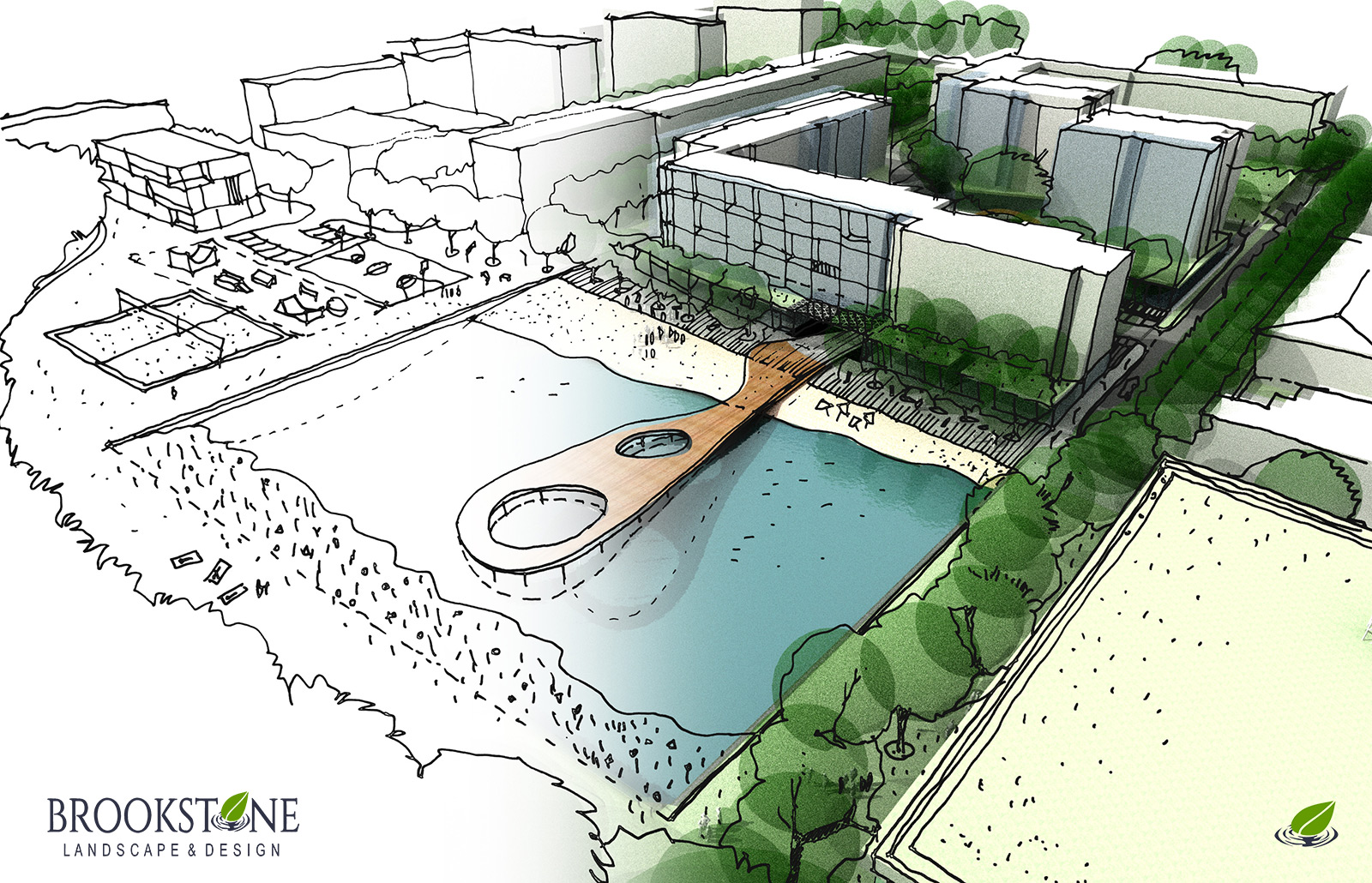
For projects that benefit from visualization, we provide 3D renderings that allow stakeholders to experience proposed designs before construction begins—making approvals smoother and expectations clearer.

Thoughtful landscape design is about solving problems before they’re built into the ground. We consider drainage patterns, sun exposure, soil conditions, and plant selection with our local climate in mind, choosing species that will thrive here rather than simply survive. This attention to regional conditions reduces replacement costs and maintenance demands over the life of your landscape.

Transparency guides every stage of our process. Design revisions are expected and encouraged because addressing questions and refining details before construction begins prevents costly changes later.

We maintain open communication so you always understand what’s being proposed, why it matters, and how it fits within your budget.

Whether you’re developing a new commercial property, renovating an aging landscape, or planning improvements for a residential community, a well-executed design increases usable space, enhances property values, and creates outdoor environments people genuinely want to spend time in.

We also bring the same thoughtful design approach to residential projects for homeowners seeking professionally planned outdoor living spaces.
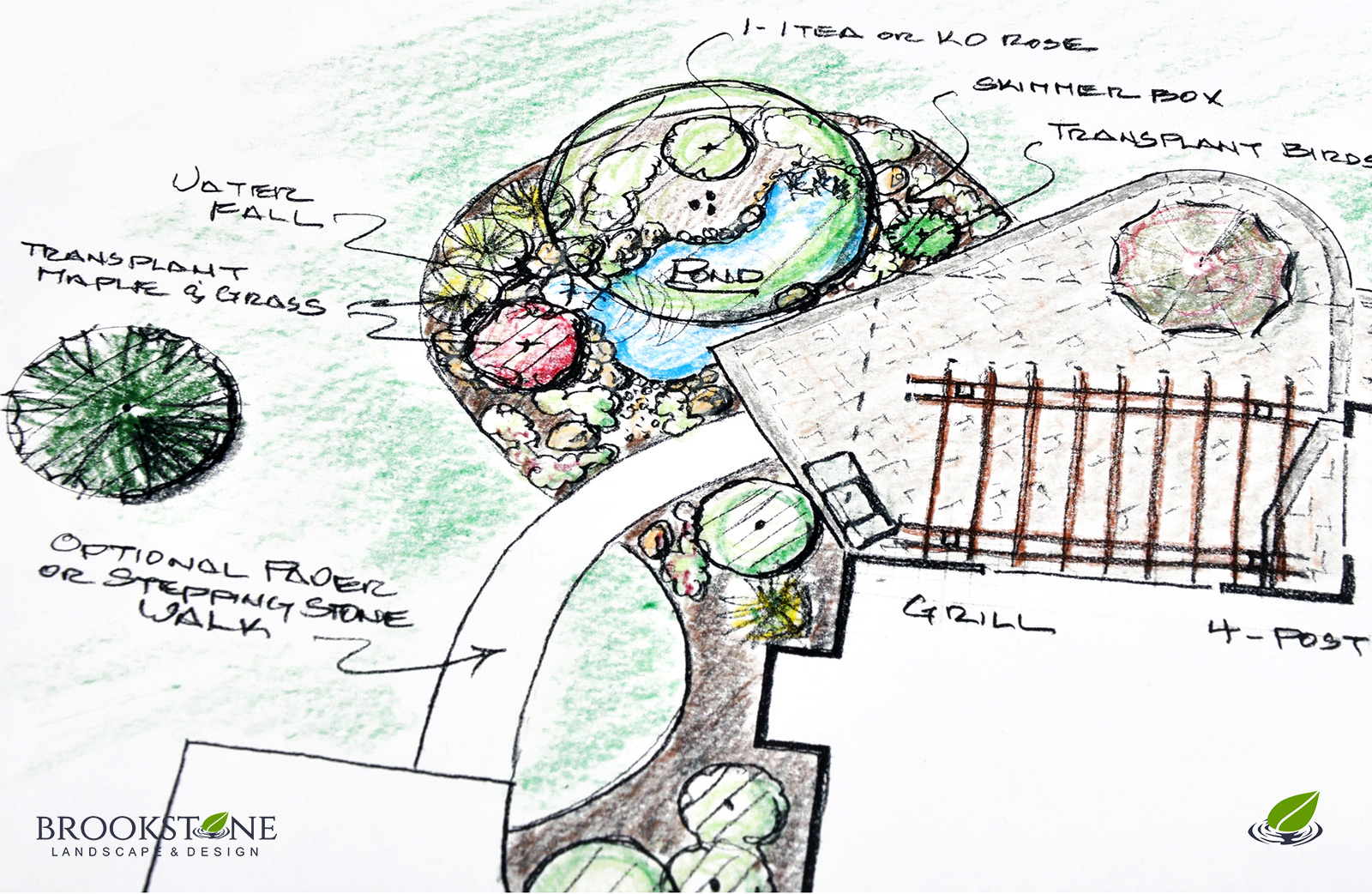
  • Initial on-site consultation – A collaborative walkthrough of your property to discuss goals, challenges, budget considerations, and project vision with our design team
  • Site analysis & assessment – Evaluation of existing conditions, including drainage patterns, soil composition, sun exposure, and microclimates that influence design decisions
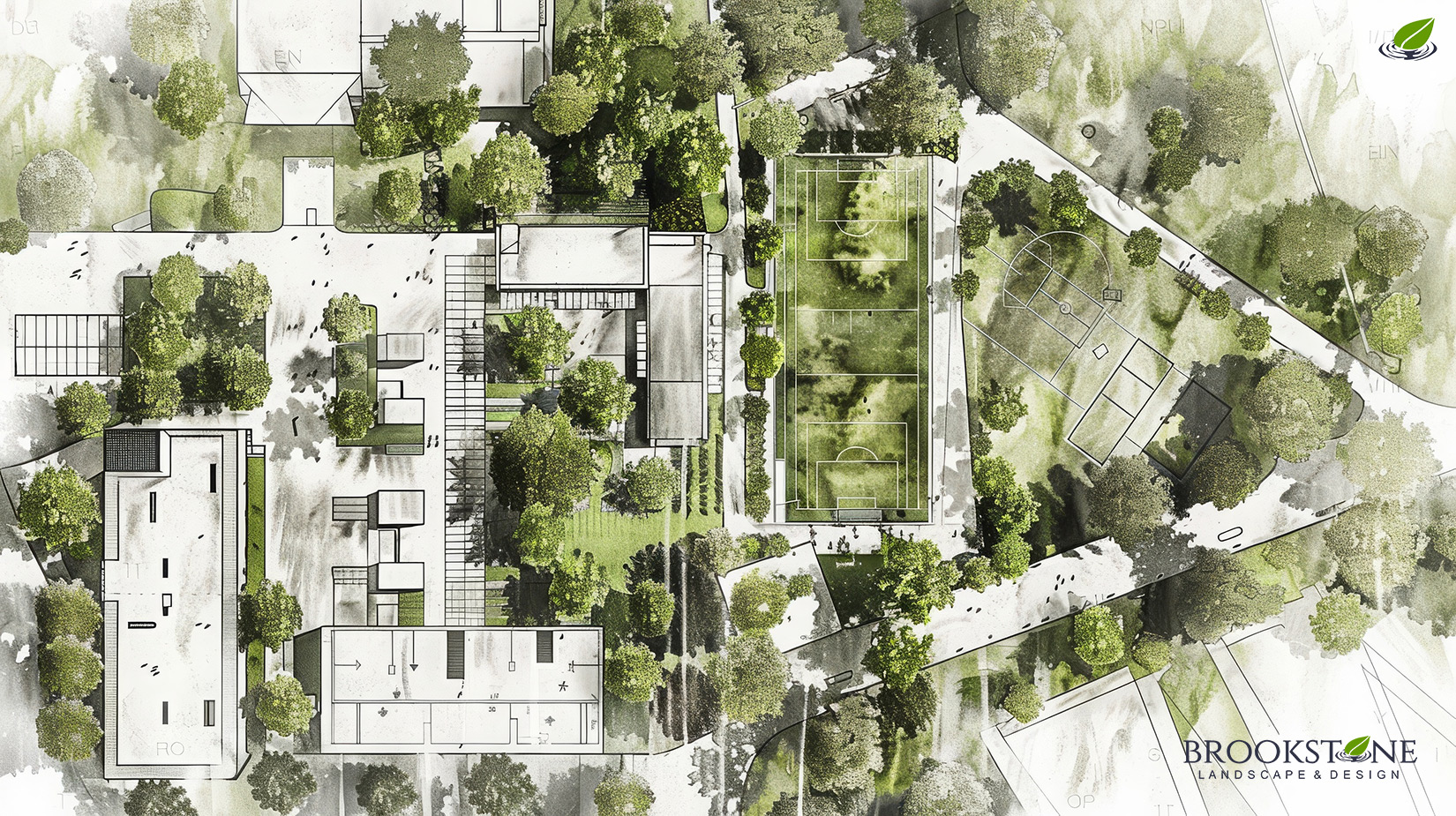
  • Conceptual design development – Creation of preliminary layouts that explore spatial organization, circulation patterns, and overall landscape character
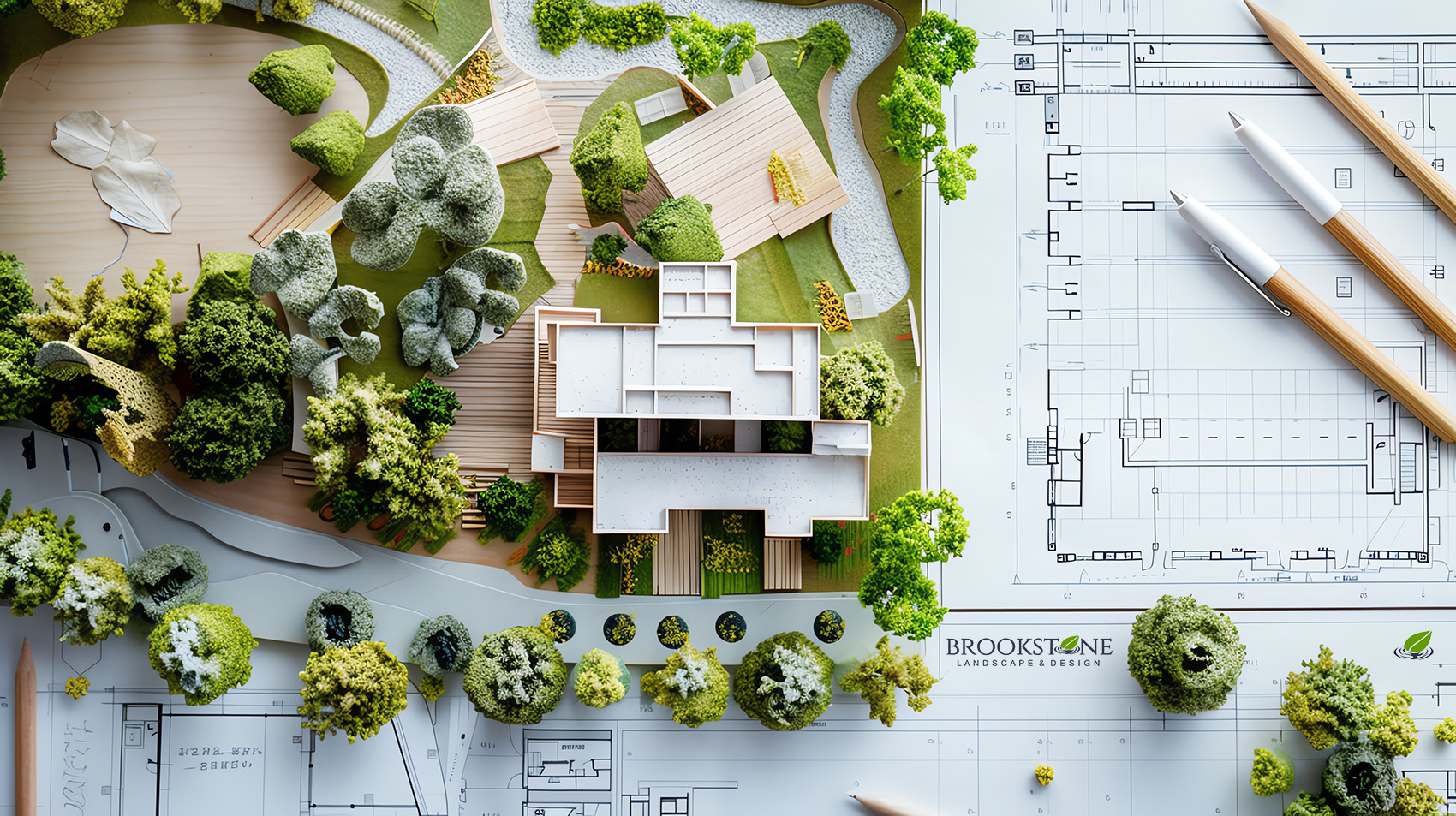
  • 3D renderings & visualization – Immersive digital presentations that allow stakeholders to experience proposed designs before construction begins
  • Plant selection & specification – Curated recommendations for trees, shrubs, perennials, and groundcovers suited to our Seattle climate and your property’s specific conditions
  • Hardscape design – Planning for patios, walkways, retaining walls, seat walls, and other structural elements that define outdoor spaces
  • Outdoor living spaces – Design of functional areas for gathering, dining, and relaxation that extend usable square footage beyond interior walls
  • Drainage & grading plans – Solutions that manage stormwater effectively while protecting structures and preventing erosion
  • Irrigation system design – Efficient layouts that deliver appropriate water to each zone while minimizing waste and long-term operating costs
  • Landscape lighting plans – Strategic placement of fixtures for safety, security, and evening ambiance
  • Master planning & phasing – Long-term vision documents that allow projects to be implemented in stages as budgets permit
  • Design revisions & refinement – Ongoing collaboration to adjust plans based on stakeholder feedback until every detail aligns with your expectations
  • Construction documentation – Detailed specifications and drawings that ensure accurate installation and competitive bidding
  • Project oversight & coordination – Design team involvement during installation to maintain quality and address field conditions as they arise

Personalized service

No two commercial properties are the same, and neither are the people responsible for them. Whether you’re a property manager balancing multiple stakeholders, a developer working within tight timelines, or a homeowner with a clear vision, we tailor our design process to fit your situation—adapting how we communicate, present options, and structure the project to align with your decision-making process.

We take time to understand not just what you want your landscape to look like, but how it needs to function and what constraints you’re working within. The final design reflects your priorities, not a templated solution. Your project gets the attention it deserves, from first conversation through final walkthrough.

Landscape Maintenance - Treasure Valley Landscape, Idaho
Landscape Maintenance - Treasure Valley Landscape - Idaho

SuStain and ENHANCE property values

A well-designed commercial landscape is one of the most effective investments a property owner can make. Studies show that thoughtfully planned outdoor spaces can increase property values by up to twenty percent—but the benefits extend beyond appraisal numbers.

For commercial properties, quality landscaping strengthens tenant retention, supports higher lease rates, and creates environments where people want to spend time. We design with longevity in mind, selecting materials and plantings that maintain their appeal for years rather than requiring costly replacements. The result is a landscape that continues working for your property long after installation is complete.

Master planning

Not every commercial landscape project can—or should—be completed in a single phase. Master planning allows property owners to develop a comprehensive long-term vision for their landscape while implementing improvements in manageable stages as budgets and priorities allow.

This approach ensures that each phase integrates seamlessly with the next, avoiding the patchwork results that often come from making decisions one project at a time. Whether you’re developing a new property over several years or gradually transforming an existing landscape, a master plan provides the roadmap that keeps every decision aligned with your ultimate goals.

Landscape Maintenance - Treasure Valley Landscape, Idaho

Plant Selection & Specifications

The plants specified in a design determine how your landscape will look, perform, and age over time. We select trees, shrubs, perennials, and groundcovers based on how well they suit Snohomish, King, and Pierce Counties’ climate, your site’s specific conditions, and the level of maintenance your property can realistically support.

Sun exposure, soil drainage, mature size, seasonal interest, and water requirements all factor into our recommendations. The goal is a landscape that thrives here rather than merely survives—reducing replacement costs, minimizing ongoing care, and delivering the visual impact you expect year after year.

Most Popular Questions

What is the difference between landscape design and landscape architecture?

Landscape design and landscape architecture overlap in many ways, but they differ in scope, licensing, and typical project scale.

Landscape architects are licensed professionals who have completed accredited degree programs and passed rigorous state examinations. They are qualified to work on large-scale public projects, manage complex grading and drainage engineering, and stamp construction documents for permitting purposes.

Landscape designers focus primarily on the aesthetic and functional arrangement of outdoor spaces, including plant selection, hardscape layout, and spatial planning.

For most commercial properties and residential communities, a skilled landscape designer provides the expertise needed to create functional, visually compelling outdoor environments.

Projects involving significant stormwater infrastructure, public rights-of-way, or structural engineering typically require a licensed landscape architect.

Understanding which professional fits your project helps ensure you’re investing in the right level of expertise without overpaying for services you don’t need.

How does professional landscape design reduce long-term property maintenance costs?

A well-conceived landscape design accounts for maintenance realities from the outset, which directly affects your operating budget for years to come. Designers evaluate factors like plant growth rates, mature canopy sizes, irrigation efficiency, and material durability before specifying anything for your property.

Poor design decisions—such as placing high-maintenance plants in hard-to-access areas, selecting species that outgrow their allocated space, or failing to account for drainage patterns—create recurring labor costs and replacement expenses that compound over time.

Thoughtful design also considers how plant massings, mulch depths, and hardscape edges affect mowing routes and trimming frequency.

Properties with strategically planned landscapes typically require fewer crew hours per visit, experience lower plant mortality rates, and avoid costly corrective work.

The design phase is the most cost-effective point to address maintenance concerns, because changes on paper cost nothing compared to changes in the ground.

Why do some landscape designs fail within a few years of installation?

Landscape failures rarely stem from a single cause, but most trace back to decisions made—or overlooked—during the design phase. The most common issue is plant selection that ignores site-specific conditions. A species that thrives in one part of our region may struggle in another due to differences in soil composition, drainage, microclimates, or exposure.

Designers who rely on generic plant palettes rather than site analysis often specify materials that decline once installation warranties expire. Another frequent problem is underestimating mature plant sizes, which leads to overcrowding, excessive pruning, and eventual removal.

Irrigation design also plays a critical role; systems that deliver the same amount of water to shade-loving groundcovers and sun-exposed turf create conditions where some plants drown while others go drought-stressed.

Finally, designs that prioritize visual impact at installation without considering how the landscape will evolve over three, five, or ten years often require expensive renovations far sooner than anticipated.

How long does the landscape design process typically take?

Design timelines vary based on project complexity, site conditions, and the number of stakeholders involved in decision-making. A straightforward commercial property renovation with a single decision-maker might move from initial consultation to final construction documents in four to six weeks.

Larger projects involving multiple buildings, phased implementation, or review by HOA boards, ownership groups, or municipal agencies often take 3 to 6 months.

The design process itself involves distinct phases—site analysis, conceptual development, design refinement, and construction documentation—each requiring adequate time for thoughtful work and client review.

Rushing through early phases to meet artificial deadlines typically results in designs that require costly revisions later or fail to address site challenges that only become apparent during installation.

The most efficient path to a completed project is allowing sufficient time for thorough design development, which reduces delays and change orders once construction begins.

What role does stormwater management play in commercial landscape design?

Stormwater management is not optional—it is a regulatory requirement and a functional necessity that should be integrated into landscape design from the earliest stages.

Impervious surfaces like buildings, parking lots, and walkways prevent rainwater from absorbing into the ground, increasing runoff volume and velocity. Landscape areas offer opportunities to capture, filter, and infiltrate runoff through features such as bioretention cells, rain gardens, permeable paving, and strategic grading.

Effective stormwater integration reduces the size and cost of engineered drainage systems while helping properties meet municipal code requirements.

Beyond compliance, managing water on-site protects plant health by directing moisture where it benefits the landscape rather than allowing it to erode slopes or pond in unintended areas.

Designers who treat stormwater as an afterthought often create landscapes that struggle with drainage problems, require expensive retrofits, or face permitting complications.

Addressing hydrology during design results in landscapes that perform better, cost less to maintain, and satisfy regulatory obligations.

How should property owners evaluate landscape design proposals from competing firms?

Comparing landscape design proposals requires looking beyond the bottom-line fee to understand what each firm is actually offering.

Start by examining the scope of services: Does the proposal include site analysis, or does the designer begin drawing without assessing existing conditions? Are revisions included, and if so, how many? Will you receive construction documents detailed enough for accurate contractor bidding, or just conceptual drawings that leave specification decisions to the installer?

Ask how plant selections are determined and whether the designer has direct experience with our local Seattle area climate and soil conditions.

Review the firm’s portfolio for projects of similar scale and type to yours, and request references from commercial clients rather than residential homeowners if your property is commercial. The lowest design fee often results in the highest total project cost when vague documents lead to installation change orders, or when poor specifications result in plant failures and early replacements.

A thorough design process costs more upfront but typically delivers better value over the life of the landscape.

When does a property need professional landscape design versus simply hiring an installation contractor?

The decision depends on project complexity, risk tolerance, and long-term objectives. Installation contractors excel at executing plans—grading soil, planting material, and building hardscape structures according to specifications. However, most contractors are not trained in spatial design, plant ecology, or site analysis, and their recommendations often reflect what they have in stock or what they’ve installed before rather than what best serves your property.

Professional design is warranted when a project involves a significant investment, when the landscape must serve multiple user groups, when drainage or grading challenges exist, when tenants or buyers will evaluate the property, or when you want a cohesive vision rather than a collection of individual elements.

Design also provides documentation that protects your investment—detailed plans allow you to solicit competitive bids, hold contractors accountable to specifications, and replicate original intentions if portions of the landscape need replacement years later. For simple plantings or maintenance upgrades, contractor expertise may suffice. For anything that shapes how your property is experienced and valued, professional design is a worthwhile investment.

Areas of Expertise

Residential

HOAs, Master Planned Communities, Condominiums

Office

Commercial offices, Corporate Campuses, Industrial Facilities, Creative Office Spaces

Medical

Hospitals, Medical Centers, Rehabilitation, MOBs, Acute Care Centers

Education

Colleges, Universities, K-12 Schools

Recreation

Parks and Civic Spaces, Golf Courses, Museums, Theme Parks Complexes and Fields

Retail

Retail and Lifestyle Centers, Shopping Malls, Mixed Use Developments

Hospitality

Hotels, Destination Resorts, Country Clubs, Theme Parks

religion

Places of Worship, Cemeteries

Areas of Service

The areas highlighted in dark green represent the primary service regions for Brookstone Landscape & Design. Our experienced team has the expertise and resources to manage commercial properties, homeowner associations, condominiums, and retail or mixed-use projects throughout Snohomish, King, and Pierce County, WA.

SPEAK WITH AN EXPERT

"*" indicates required fields

Choose Appointment*
Type of service
What is the preferred time to call you

Your Information

Name*

(425) 202-5375

sales@brookstonelandscapes.com

12610 NE 178 St
Woodinville, WA 98072

Brookstone Landscape & Design, a Sperber Company.

INTEGRITY HOTLINE
Mobile: sperbercompaniesmobile.ethicspoint.com
Online: sperbercompanies.ethicspoint.com
Phone: 844-718-1260
We are an Equal Opportunity Employer.
  • Blog
  • Reviews
  • Contact Us
  • Careers
  • Terms of Us
  • Privacy Policy
  • Copyright ©2026

Subscribe for more information

Brookstone Landscape & Design - Commercial Landscape Maintenance - Seattle, Woodinville, WA
Cleantalk Pixel