
If you’ve ever tried to follow a national landscaping calendar, you’ve probably noticed something frustrating: the timing is all wrong. Generic guides tell you to winterize irrigation in October and wake your lawn up in April. They suggest dormant pruning in January and warn against summer watering restrictions that don’t apply here.
The reality is that our maritime climate operates on its own schedule. Our turf never truly goes dormant—it keeps growing through December and January when temperatures hover in the 40s. Moss doesn’t wait for spring; it peaks during our wet shoulder seasons. And our dry summers demand irrigation strategies that would seem excessive to property managers in the Midwest or Northeast.
For commercial property managers overseeing office parks, retail centers, HOAs, and multifamily communities across the counties, understanding these regional rhythms isn’t just helpful—it’s essential for maintaining property value and curb appeal year-round.
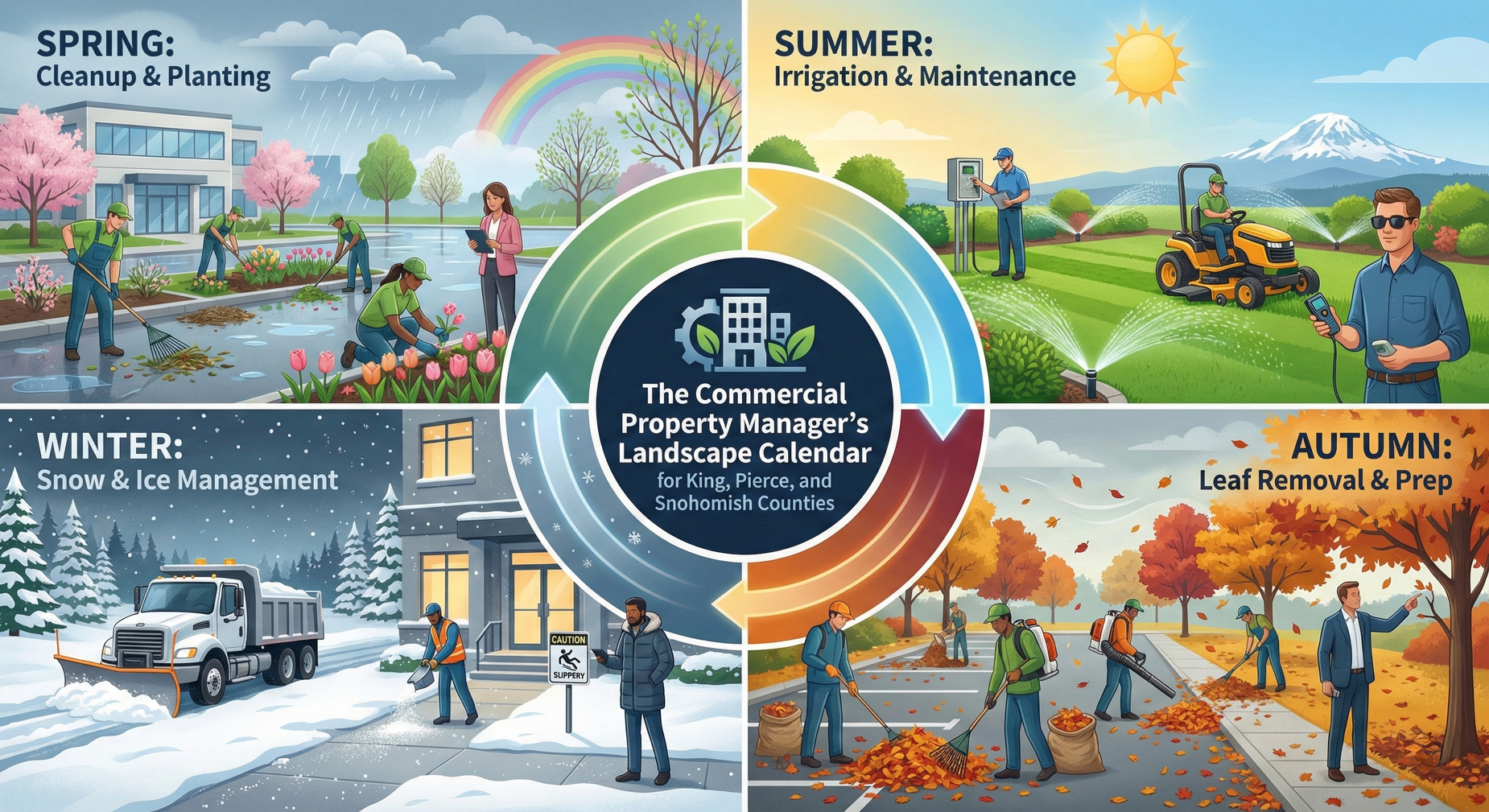
This comprehensive calendar reflects the actual growing conditions and maintenance windows specific to the Seattle metro area. Use it to plan your landscape maintenance schedules, coordinate with your maintenance partners, and ensure your properties look exceptional year-round.
The Complete Month-by-Month Seasonal Landscape Calendar
The following calendar represents the optimal timing for landscape maintenance tasks for commercial properties. Timing may shift slightly based on elevation (properties in the Issaquah Highlands or Snoqualmie Ridge experience slightly later springs and earlier falls) and specific site conditions.
January  CLIMATE CONTEXT
Average high: 46°F; average low: 36°F, typically 5-6 inches of rainfall. Frost possible but infrequent. Daylight hours are increasing but still limited. South Pierce County (Puyallup Valley, Bonney Lake) tends to run slightly warmer and may be 1-2 weeks ahead on spring timing North Snohomish County (Marysville, Lake Stevens, Monroe) can run slightly cooler and may lag 1-2 weeks behind Seattle timing The Puget Sound Convergence Zone affects north King and south Snohomish Counties, particularly, creating localized heavy precipitation events that can impact maintenance scheduling  TURF CARE
 IRRIGATION
 TREES & SHRUBS
 HARDSCAPES & BEDS
 SEASONAL COLOR

| February
CLIMATE CONTEXT
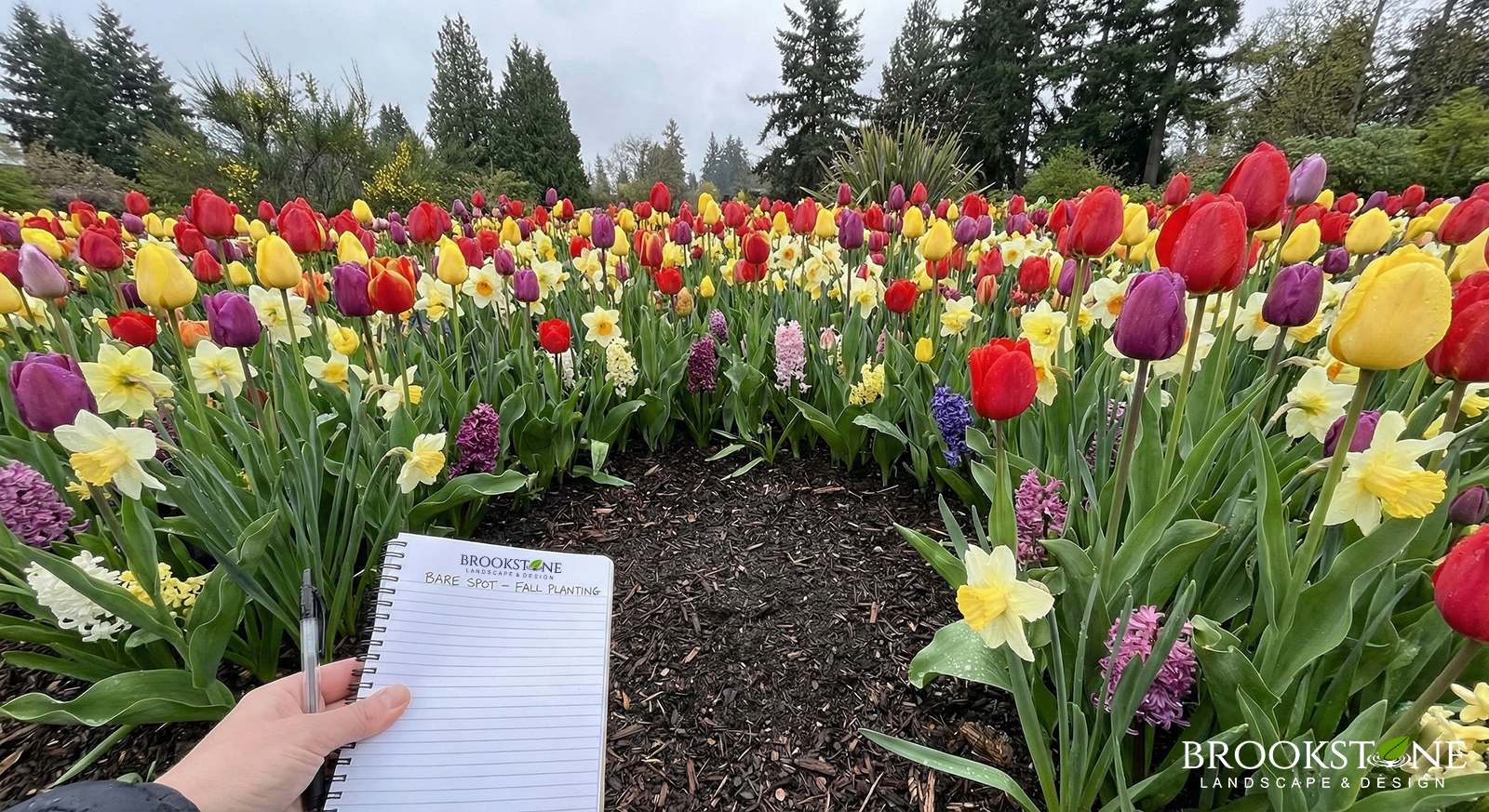
Average high: 50°F; average low: 37°F, rainfall decreasing slightly. First bulbs begin emerging. Soil temperatures are beginning to rise. South Pierce County (Puyallup Valley, Bonney Lake) tends to run slightly warmer and may be 1-2 weeks ahead on spring timing North Snohomish County (Marysville, Lake Stevens, Monroe) can run slightly cooler and may lag 1-2 weeks behind Seattle timing The Puget Sound Convergence Zone affects north King and south Snohomish Counties, particularly, creating localized heavy precipitation events that can impact maintenance scheduling
TURF CARE
IRRIGATION
TREES & SHRUBS
HARDSCAPES & BEDS
SEASONAL COLOR
| March
CLIMATE CONTEXT
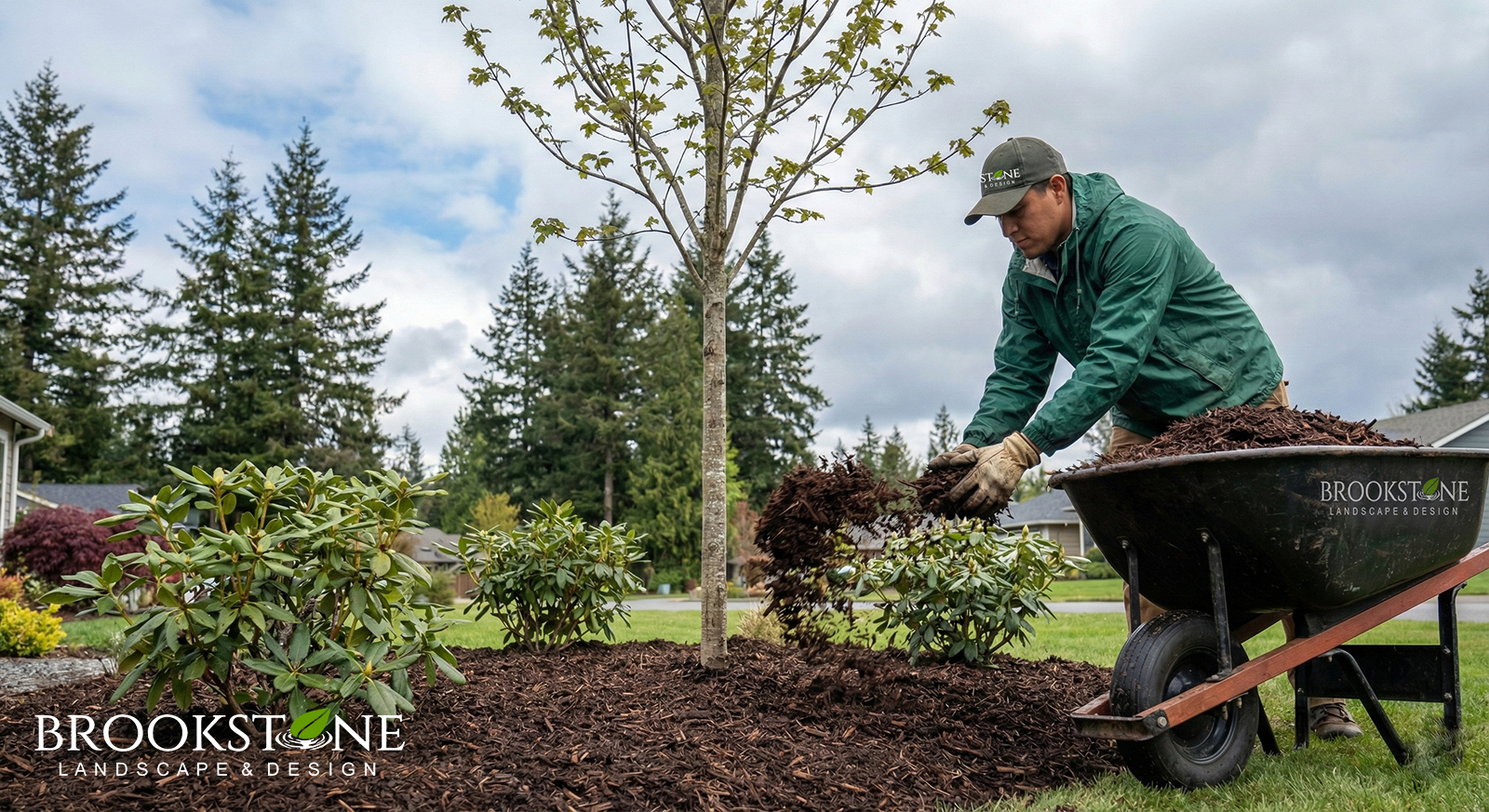
Average high: 54°F; average low: 39°F; rainfall tapering but still significant. Significant growth surge begins. Spring officially arrives, but conditions are still cool. South Pierce County (Puyallup Valley, Bonney Lake) tends to run slightly warmer and may be 1-2 weeks ahead on spring timing North Snohomish County (Marysville, Lake Stevens, Monroe) can run slightly cooler and may lag 1-2 weeks behind Seattle timing The Puget Sound Convergence Zone affects north King and south Snohomish Counties, particularly, creating localized heavy precipitation events that can impact maintenance scheduling
TURF CARE
IRRIGATION
TREES & SHRUBS
 HARDSCAPES & BEDS
SEASONAL COLOR
|
April Average high: 58°F; average low: 42°F, rainfall decreasing. Peak spring growth period. Consistent mild temperatures drive rapid establishment. South Pierce County (Puyallup Valley, Bonney Lake) tends to run slightly warmer and may be 1-2 weeks ahead on spring timing North Snohomish County (Marysville, Lake Stevens, Monroe) can run slightly cooler and may lag 1-2 weeks behind Seattle timing The Puget Sound Convergence Zone affects north King and south Snohomish Counties, particularly, creating localized heavy precipitation events that can impact maintenance scheduling
TURF CARE
IRRIGATION
TREES & SHRUBS
HARDSCAPES & BEDS
SEASONAL COLOR
| May
CLIMATE CONTEXT
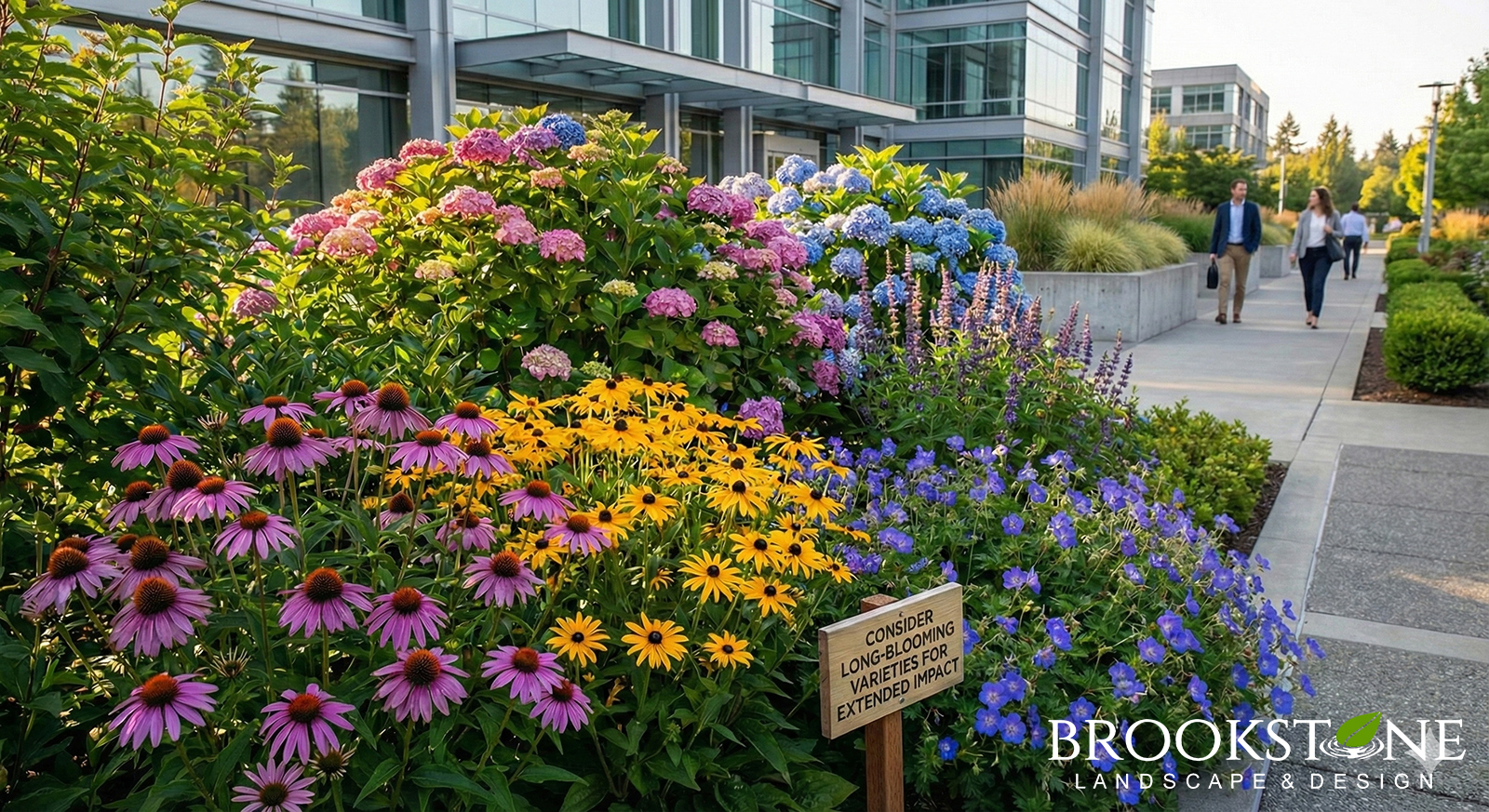
Average high: 65°F; average low: 48°F, rainfall typically under 2 inches. The transition month from the wet to the dry season begins. Last frost risk passes. South Pierce County (Puyallup Valley, Bonney Lake) tends to run slightly warmer and may be 1-2 weeks ahead on spring timing North Snohomish County (Marysville, Lake Stevens, Monroe) can run slightly cooler and may lag 1-2 weeks behind Seattle timing The Puget Sound Convergence Zone affects north King and south Snohomish Counties, particularly, creating localized heavy precipitation events that can impact maintenance scheduling
TURF CARE
IRRIGATION
TREES & SHRUBS
HARDSCAPES & BEDS
SEASONAL COLOR

| June
CLIMATE CONTEXT
Average high: 70°F; average low: 52°F; dry season typically establishes. "Juneuary" occasional cool/wet stretches still possible. Longest daylight hours. South Pierce County (Puyallup Valley, Bonney Lake) tends to run slightly warmer and may be 1-2 weeks ahead on spring timing North Snohomish County (Marysville, Lake Stevens, Monroe) can run slightly cooler and may lag 1-2 weeks behind Seattle timing The Puget Sound Convergence Zone affects north King and south Snohomish Counties, particularly, creating localized heavy precipitation events that can impact maintenance scheduling
TURF CARE
IRRIGATION
TREES & SHRUBS
HARDSCAPES & BEDS
SEASONAL COLOR

|
July
CLIMATE CONTEXT
Average high 76°F; average low 56°F, driest month. Consistent dry conditions. Peak outdoor usage period. South Pierce County (Puyallup Valley, Bonney Lake) tends to run slightly warmer and may be 1-2 weeks ahead on spring timing North Snohomish County (Marysville, Lake Stevens, Monroe) can run slightly cooler and may lag 1-2 weeks behind Seattle timing The Puget Sound Convergence Zone affects north King and south Snohomish Counties, particularly, creating localized heavy precipitation events that can impact maintenance scheduling
TURF CARE
IRRIGATION
TREES & SHRUBS
 HARDSCAPES & BEDS
SEASONAL COLOR
| August
CLIMATE CONTEXT
Average high: 77°F; average low: 56°F; dry conditions continue. Second driest month. Early signs of fall transition late in the month. South Pierce County (Puyallup Valley, Bonney Lake) tends to run slightly warmer and may be 1-2 weeks ahead on spring timing North Snohomish County (Marysville, Lake Stevens, Monroe) can run slightly cooler and may lag 1-2 weeks behind Seattle timing The Puget Sound Convergence Zone affects north King and south Snohomish Counties, particularly, creating localized heavy precipitation events that can impact maintenance scheduling
TURF CARE
IRRIGATION
 TREES & SHRUBS
HARDSCAPES & BEDS
SEASONAL COLOR
| September
CLIMATE CONTEXT
Average high: 71°F; average low: 51°F; first significant rainfall typically arrives. Cool nights return. Prime renovation month. South Pierce County (Puyallup Valley, Bonney Lake) tends to run slightly warmer and may be 1-2 weeks ahead on spring timing North Snohomish County (Marysville, Lake Stevens, Monroe) can run slightly cooler and may lag 1-2 weeks behind Seattle timing The Puget Sound Convergence Zone affects north King and south Snohomish Counties, particularly, creating localized heavy precipitation events that can impact maintenance scheduling
TURF CARE
 IRRIGATION
TREES & SHRUBS
HARDSCAPES & BEDS
 SEASONAL COLOR
|
October
CLIMATE CONTEXT
Average high: 60°F; average low: 45°F; wet season establishes. First significant storms possible. Leaf fall accelerates. South Pierce County (Puyallup Valley, Bonney Lake) tends to run slightly warmer and may be 1-2 weeks ahead on spring timing North Snohomish County (Marysville, Lake Stevens, Monroe) can run slightly cooler and may lag 1-2 weeks behind Seattle timing The Puget Sound Convergence Zone affects north King and south Snohomish Counties, particularly, creating localized heavy precipitation events that can impact maintenance scheduling
TURF CARE
IRRIGATION
TREES & SHRUBS
HARDSCAPES & BEDS
 SEASONAL COLOR
| November
CLIMATE CONTEXT
Average high: 51°F; average low: 39°F; consistent rainfall returns. First frost possible at higher elevations. Daylight hours have significantly reduced. South Pierce County (Puyallup Valley, Bonney Lake) tends to run slightly warmer and may be 1-2 weeks ahead on spring timing North Snohomish County (Marysville, Lake Stevens, Monroe) can run slightly cooler and may lag 1-2 weeks behind Seattle timing The Puget Sound Convergence Zone affects north King and south Snohomish Counties, particularly, creating localized heavy precipitation events that can impact maintenance scheduling
TURF CARE
IRRIGATION
TREES & SHRUBS
HARDSCAPES & BEDS
SEASONAL COLOR
| December
CLIMATE CONTEXT
Average high: 46°F; average low: 36°F; wettest month. Shortest daylight hours. The holiday season increases visibility expectations. South Pierce County (Puyallup Valley, Bonney Lake) tends to run slightly warmer and may be 1-2 weeks ahead on spring timing North Snohomish County (Marysville, Lake Stevens, Monroe) can run slightly cooler and may lag 1-2 weeks behind Seattle timing The Puget Sound Convergence Zone affects north King and south Snohomish Counties, particularly, creating localized heavy precipitation events that can impact maintenance scheduling
TURF CARE
IRRIGATION
TREES & SHRUBS
HARDSCAPES & BEDS
SEASONAL COLOR
|
Quick Reference Maintenance Matrix
Task | Jan. | Feb. | Mar. | Apr. | May | Jun. | Jul. | Aug. | Sep. | Oct. | Nov. | Dec. |
Core Aeration | ||||||||||||
Overseeding | ||||||||||||
Fertilization (Turf) | ||||||||||||
Moss Treatment | ||||||||||||
Dormant Pruning | ||||||||||||
Hedge Shearing | ||||||||||||
Spring Color Install | ||||||||||||
Fall Color Install | ||||||||||||
Irrigation Active | ||||||||||||
Winterization | ||||||||||||
Leaf Cleanup | ||||||||||||
Mulch Application | ||||||||||||
Tree/Shrub Planting |
Understanding Our Unique Growing Conditions
Before diving into the month-by-month breakdown, it’s worth understanding why our region requires an entirely different approach to landscape maintenance.
The Maritime Climate Factor
King County, as well as Snohomish and Pierce Counties, sit in USDA Hardiness Zone 8b, with winter lows rarely dipping below 20°F. More importantly, our maritime climate delivers mild, wet winters and dry summers—the opposite of continental climates where most landscaping guides originate. This creates several unique conditions that shape every maintenance decision.
Our cool-season turf grasses (primarily perennial ryegrass, fine fescues, and Kentucky bluegrass blends common in commercial installations) grow most vigorously in spring and fall. Still, they never entirely stop growing in winter. This means mowing continues year-round, albeit at reduced frequency. It also means that soil compaction issues don’t naturally “reset” during a hard freeze.
Summer brings a different challenge. From mid-June through September, we typically receive less than two inches of rainfall per month. Properties without properly calibrated irrigation systems quickly show stress, and the transition from wet to dry catches many property managers off guard.
The Moss and Drainage Reality
With 37-40 inches of annual rainfall concentrated between October and May, commercial properties face constant pressure from moss, algae, and drainage issues. Hardscape areas develop slippery surfaces, turf in shaded areas succumbs to moss invasion, and poorly graded areas become seasonal ponds.
Successful landscape maintenance means staying ahead of wet-season challenges while preparing for the demands of the dry season.
Why Regional Expertise Matters
The timing differences between our region’s maritime climate and national landscaping guidelines aren’t trivial. Aerating during our wet winters actually compacts the soil rather than relieving it. Following national fertilization schedules can push growth during our dry summers when turf should be conserving energy. Pruning spring-flowering shrubs in late winter—as many generic guides recommend—eliminates that year’s blooms.
Commercial properties that maintain year-round curb appeal understand that landscape maintenance is inherently local. The office park in Bellevue, the retail center in Kent, and the multifamily community in Kirkland all face challenges that differ fundamentally from those in Denver, Dallas, or Boston.
Successful commercial landscape maintenance requires understanding these regional rhythms and executing services at precisely timed intervals throughout the year. It requires relationships with suppliers who stock Pacific Northwest-appropriate plant materials. And it requires crews trained in the specific techniques our climate demands—from proper moss treatment protocols to irrigation strategies that account for our dry summers.
Partner with Regional Expertise
Brookstone Landscape & Design has maintained commercial properties in our area since 2015, developing deep expertise in the specific challenges posed by our maritime climate. Our year-round commercial landscape maintenance programs are built around the seasonal rhythms outlined in this calendar, ensuring your property receives the right services at precisely the right time.
From the spring aeration that relieves winter compaction to the summer irrigation services that keep turf green through August, from fall overseeding programs that repair summer stress to winter moss treatments that maintain turf health—we understand what properties need and when they need it.
Whether you manage a single property or a portfolio across the Seattle metro area, our team is equipped to deliver consistent, regionally informed care that maintains property value and tenant satisfaction year-round.
Ready to discuss a maintenance program tailored to your property’s needs? Contact Brookstone Landscape & Design for a consultation. We’ll walk your property together, assess your specific conditions, and develop a year-round maintenance calendar customized to your site.
FAQs
Brookstone Landscape & Design serves commercial properties throughout King County, Snohomish County, and Pierce County, including Seattle, Bellevue, Kirkland, Redmond, Bothell, Renton, Kent, Federal Way, and surrounding communities. Our services include commercial landscape maintenance, landscape design, and landscape construction.

